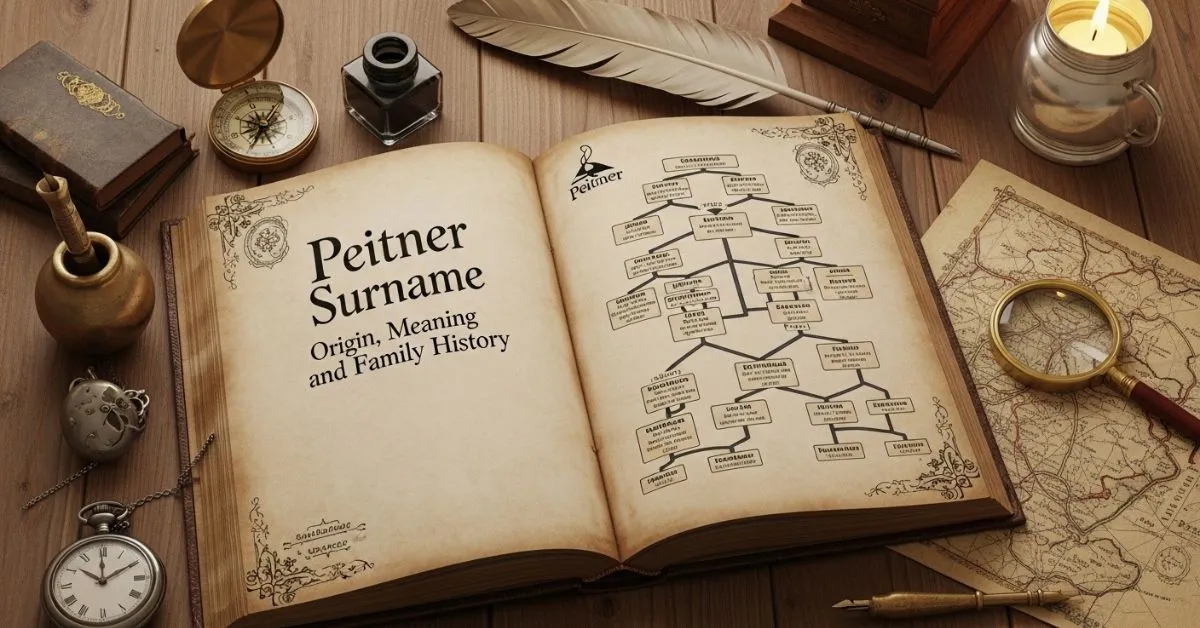
The last name Peitner is very uncommon and interesting. It comes from Europe. A lot of people want to know what the name Peitner means and where the family originates from. You can discover about your ancestors, their travels, and their cultural links by looking up the Peitner family tree.
Many people who are interested in history want to know how to find their Peitner family tree. They might also hunt for old records, famous Peitners, and family ties in Germany, Austria, and the Czech Republic. Finding out where the Peitner name came from can help keep family history safe and find stories that have been forgotten.
This page will explain about the history of the Peitner name, including important people who have it, numerous ways to spell it, and how to build a Peitner family tree. This post will help you, whether you’re new to family or just love history, by offering you straightforward instructions and important information. You will know a lot about the Peitner family tree and how to look into your own family history by the end.
Origin of the Family Name
Mostly in Germany, Austria, and the Czech Republic is where the last name comes from. This last name is very uncommon and has been written down for hundreds of years. Learning about where something came from helps you understand family ties and history.
Geographic Roots
Most people with this last name live in Central Europe. Families were living in small towns and villages in Germany and Austria in the early records. Over time, some groups moved to countries nearby.
Linguistic Meaning
There may be a connection between the last name and a job or a place name. Peitner sounds like names from old records, such Peintner and Peithner. If you know where a word comes from, you can learn about its cultural and linguistic history.
Historical Records
Church records, census records, and town archives include records of people with this last name going back to the 1700s. Some of the records are hundreds of years old. These documents help you locate your family tree and name notable ancestors.
Notable People with the Lineage
A lot of people with this last name have made important impacts to history and the present. Getting to know these people shows how the family has affected them. Peitner also makes researching ancestors more interesting.
Historical Figures
Some of your ancestors were very important in their towns or in historical events. They might have been smart people, business owners, or leaders. Historical records help us figure out who these famous people were.
Contemporary Figures
Today, family members are involved in business, sports, and the arts. Their accomplishments keep drawing attention to the bloodline. Bringing attention to these people shows that the family name lives on.
Contributions and Impact
Important people have had an impact on their fields and towns. They have kept ethnic traditions and heritage alive. Their work makes the family background more complete.
Variations and Related Last Names
This family name comes in a few different forms. This seems to be the case because of differences in spelling and records from the past. Finding out about them helps with family.
Spelling Variations
Peintner, Peithner, and Peytner are all common variations. Over time, different areas and accents have had an effect on these spellings. Figuring out the differences can help you find more family trees.
Connection with Other Families
Some lines may have ties to European families with similar last names. In historical records, there are often ties between these groups. By looking into these links, you can make your family tree bigger.
Importance in Research
Tracking different forms of last names makes sure that no relative is missed. Peitner also makes records that don’t seem to go together clearer. This is very important for doing accurate genealogy study.
Genealogy and Family History of the Ancestral Name
Investigating the family tree might yield intriguing narratives about forebears. Genealogy lets us see how the past impacts the present. Many people delve into their family history, records, and DNA to find out more about where they came from.
Researching Your Ancestry
Start by getting details from family members who are still alive. You can look through old records like church books, census records, and libraries. These sites can help you check information about your ancestors.
Building a Family Tree
Make a chart with family members and how they are related to each other. Include all ancestors and children that you know of. To arrange the tree, use software or online tools.
DNA Testing and Family Connections
Genetic testing can help find long-lost relations. DNA tests can prove family ties and where ancestors came from. This is helpful for finding more information about ancestors.
Interesting Facts About the Last Name
The family name is very uncommon. Peitner has been written down in history books for hundreds of years. Genealogical study is more complete when you know facts about a subject.
Worldwide Occurrences
Most of the families with this last name live in Germany, Austria, and the Czech Republic. Some of them moved to other parts of Europe. Some of their relatives now live in the US and other places.
Cultural and Linguistic Significance
The last name comes from the way people in that area speak and use words. It could show the jobs, places, or traits of your earliest relatives. Knowing this helps keep family history alive.
Historical Highlights
Some of your ancestors were important in their towns or in historical events. Their lives are written down in church papers, census data, and archives. These highlights give study into ancestry more meaning.
Challenges in Researching Rare Surnames
Peitner can be hard to find information about a rare last name. It can be hard to find or get records. Genealogists need to carefully check the information they find.
Limited Historical Records
A lot of our ancestors lived in small towns or in the country. There may be gaps or missing parts in official papers. This makes it hard to find the family tree.
Confusion with Similar Surnames
There are a lot of names that sound like Peintner, like Peithner. They can show up in the same place and time. Making sure writing is correct is important to avoid making mistakes.
Regional Language Differences
There may be more than one language on old records, like German or Czech. There are also different rules for handwriting and typing. Figuring out these differences helps people find their ancestors more accurately.
Tips for Family Researchers
Simple strategies can make it easy to look into the family tree. These tips are useful for both new and expert genealogists. If you follow them, you’ll get correct results.
Start with Living Relatives
Talk to older family members to get names and stories. They remember a lot of things that aren’t written down. Write down everything carefully so you can use it later.
Use Online Genealogy Databases
You can find historical information on websites and in archives. You are able to look through immigrant records, church books, and census data. Finding your ancestors is easier and faster when you use online tools.
Document Everything
Write down sources, times, and places in great detail. This helps keep things clear and free of mistakes. Keeping records in order makes it easy to put together a full family tree.
Explore DNA Testing
Genetic testing can help you find long-lost cousins. Peitner can prove family ties and where ancestors came from. DNA tests add a new level to researching ancestry.
Conclusion
Peitner is a rare last name with a lot of history. Finding out where it came from and what it means brings up interesting stories. Family trees and records of the past help people find their relatives. Notable people show how the last name has affected many people over time. Cultural history is kept alive by researching the family tree. Anyone can find out the whole story of their family if they are patient and have the right tools.
FAQs
What Does the Family Name Mean?
Peitner could have something to do with jobs, places, or character traits. Germanic roots give it its name. Knowing about it helps you understand your family background.
Where Does the Ancestral Name Come From?
A lot of the families are from Austria, Germany, and the Czech Republic. Some of them moved to other parts of Europe. History records help us figure out where they came from.
Are There Famous People with This Last Name?
Some members have done important work in business, sports, the arts, or both. People from history can also be found in neighborhood records. Finding out about them makes researching ancestors more fun.
How Can I Trace My Ancestry?
Start with cousins who are still alive and family stories. Look through church books, census papers, and old records. DNA tests can also show ties between distant family members.