People who lived during the time of the Incas still live in the Andes. Their history and culture still shape who we are today, from Machu Picchu to the streets of Cusco. A new word called “inkacito” is slowly getting more used these days. What is Inkacito, though, and why does it matter?
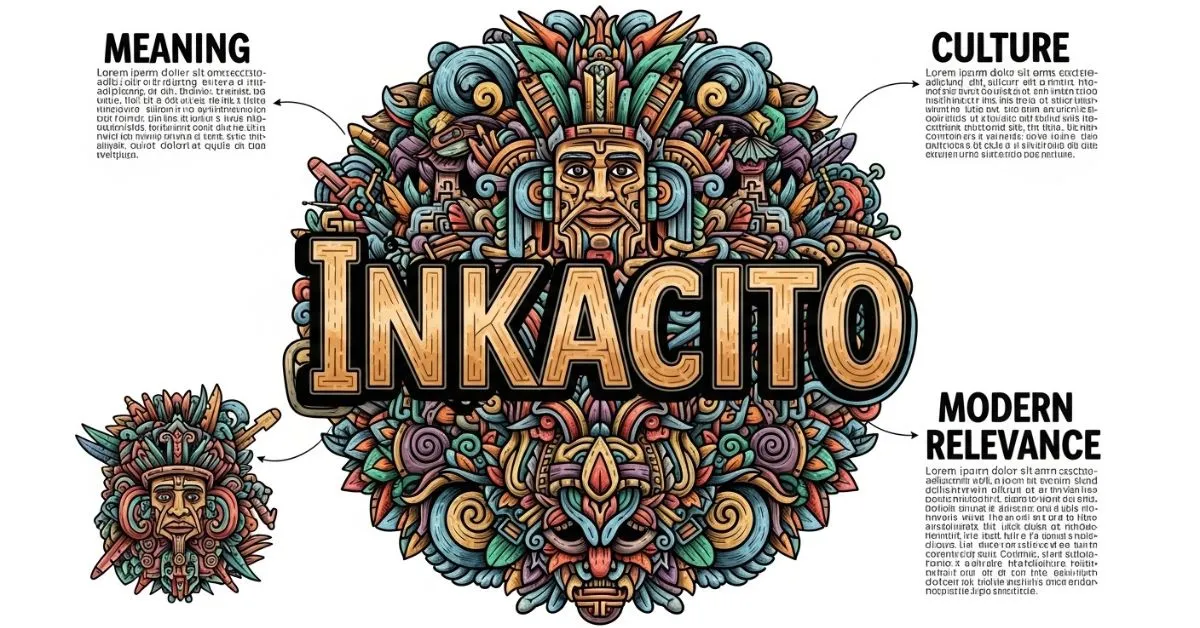
The meaning of Inkacito is more than just a description. It’s a strong word that combines history, culture, and pride. Some people see it as a sign of Andean culture. Others see it as a modern way for the Incas to show their personality and use symbols.
To understand what Inkacito means to people today, you have to look back to the time of the ancient Andean kingdom. It also means looking into how younger people are taking back their roots. It feels more important than ever to connect with your roots in this global world. That link between the past and the present may be shown by inkacito.
This article will talk about what an Inkacito is, where it comes from historically, and what it means in current culture. We will talk about Inca customs, the impact of the Quechua people, and the resurgence of Indigenous culture. By the end, you’ll have a good idea of how Inkacito relates to the past of the Incas and to modern-day Andean identity.
What Is Inkacito?
Meaning and Definition
The word comes from putting together the words ” Inkacito,” which means “ancient rulers of the Andes,” and the Spanish diminutive “-cito.” It can mean “little Inca” or “young Inca” when put together. It’s a sign of pride in ancestry and traditional continuity.
It’s an emotional and culturally important word. It links current identity to Inca history. In addition, it shows how close and personal younger generations feel about their ancestors.
Linguistic Roots
“Inca” refers to the people who lived in Tawantinsuyu in the past. This empire included what are now Peru, Bolivia, Ecuador, Chile, and Argentina. The Spanish ending “-cito” makes the word sound softer and more familiar.
Cultural Significance
The word stands for more than just language. It’s a sign of indigenous Andean pride and history. It shows respect for the dead and brings old customs into modern life
Historical Roots of Inca Identity
Inca Civilization History
In the 1300s, the Inca Empire began. It grew into the biggest power in America before Columbus. Its chief city and spiritual heart was Cusco.
The Sapa Inca was both a political and sacred leader. The ancient Andean kingdom grew thanks to leaders like Pachacuti. Their impact changed culture, architecture, and farming.
Inca Culture and Heritage
The Incas had a very advanced and rich culture. Cities like Machu Picchu show how good they were at building. In the Andes mountains, farming slopes show creativity and knowledge of how nature works.
Textiles stood for more than just clothes. Colors and patterns had social and spiritual meanings. In everyday life, Inca symbols showed who they were.
Spanish Colonization Impact
In the 1600s, Spanish settlers came to the area. When the empire fell, many customs were put down. The Quechua language lived on despite these problems.
Communities still follow Quechuan traditions today. Festivals, clothes, and traditions all have roots in the past. Because of this consistency, the way Inca identity is expressed today makes sense.
Indigenous Andean Identity Today
Cultural Revival
A lot of places are getting in touch with their Indigenous roots. People are proud of their festivals, clothes, and customs. Traditions from the past are being passed on to the next generation.
Quechua Language and Pride
The Quechua language is very important to this rebirth. It was stopped being taught, but now it is being taught again. Language helps people feel like they belong and connects them to their ancestors.
Modern Identity Expression
Younger people show their pride through Inca symbols. It’s a mix of old roots, music, art, and fashion. Andean ancestry becomes a modern way to define who you are.
Digital Expression
Social media makes people around the world more aware of Andean culture. People all over the world read stories about Inca customs. Online, modern identity is linked to ancient history.
Modern Culture and Creative Expression
Fashion
Andean customs are used as inspiration by designers. Patterns show national pride and old symbols. Ethical fashion helps artists and keeps traditions alive.
Music and Art
Music uses both old and new instruments and sounds. Art uses symbols from the past of the Inca civilization. This creative way of expressing customs in modern settings keeps them alive.
Responsible Branding
Some businesses show off Peruvian culture in a good way. Ethical branding teaches people about a business and helps the economy grow. Native American history is respected without being used for profit.
Cultural Appreciation vs Appropriation
Understanding the Difference
Through learning and giving thanks, appreciation shows respect for culture. Taking without knowledge or respect is what appropriation is. It can hurt groups and customs.
Respecting Traditions
Symbols that are holy have spiritual meaning. People from pre-Columbian societies should be accurately portrayed. Respect keeps national identity and dignity safe.
Supporting Communities
By buying from artists, you help keep Indigenous culture alive. Pay and praise that are fair are important. Responsible tourism also helps protect the traditional heritage of Cusco.
Significance
Trends should not be used to explain Inca symbols. Respect makes sure that it stays important. Careful maintenance is a way to keep cultural pride alive.
Why It Resonates with Younger Generations
Identity in a Global World
Young people want to re-connect with their roots. The Inkacito identity combines old traditions with current life. Culture lives on through art, music, and dress.
Reconnecting with Ancestry
The Quechua language, festivals, and traditions help people feel like they belong. They make people proud of their Indigenous Andean roots again. Symbols from the past have cultural and personal meanings.
Social Media Influence
Culture can be shared around the world in digital places Online, people celebrate their identity and background. Shared customs bring people together across borders.
Emotional and Symbolic Power
Connection to Ancestry
Inca symbols make people think of their ancestors. It connects the past to the present. Cultural recognition makes people more proud of their background.
Cultural Pride and Healing
Taking back your ancestry boosts your confidence. The native character of the Andes is strengthened. Language, rituals, and symbols all have emotional value.
Storytelling and Preservation
Traditions live on through art, music, and events that tell stories. People are keeping pre-Columbian cultures alive for future generations. Culture grows while roots are kept alive.
Global Influence
Cultural Exchange
People learn more about Andean culture through tourism and social media. The stories about Machu Picchu’s past and traditions make people want to know more. Indigenous history is known all over the world.
Diaspora Identity
Latin American groups living abroad get in touch with their ancestors. Cultural symbols help people be proud of their roots. Identity today and heritage in the past mix across lines.
Bridging Tradition and Modernity
Through music, art, and dress, old symbols are linked to modern life. Being aware of ethical travel encourages it. Indigenous culture is still thriving around the world.
Economic and Social Impact
Supporting Artisans
By buying fabric and crafts, you help keep Indigenous culture alive. Fair pay and praise give people in the community power. Folk customs are still living.
Sustainable Tourism
Respect is shown by tourists who know about Cusco’s culture history. Traveling responsibly keeps customs alive. Mindful travel is encouraged by learning about Andean culture.
Cultural Entrepreneurship
Businesses show off Inkacito history in a responsible way. Ethical branding helps societies and keeps people’s identities safe. Indigenous culture is good for both the economy and society.
The Future of Andean Cultural Preservation
Digital Preservation
Technology makes people more aware of the past of the Inca civilization. Festivals, music, and art all reach new people. In new places, heritage lives on.
Youth-Led Movements
Teenagers show their pride through art projects. Fashion, music, and art bring old images into the present day. Identity and tradition are kept alive through leadership among young people.
Protecting Authenticity
It is very important to respect signs, traditions, and language. Ethical behavior stops people from being exploited. Cultural meaning lives on through generations.
Cultural Continuity
In today’s world, old customs are still practiced. The Inca culture gives people a sense of pride, identity, and creativity. Indigenous Andean culture can be respected by communities and people all over the world.
Conclusion
Inkacito not just a word; it connects the past and the present. It links people today to the history of the Inca civilization and Indigenous Andean heritage. Traditions from the past live on through language, art, events, and symbols. The return of Quechua culture and Inca identity shows that community pride in ancestry can still motivate people today. Respect, moral behavior, and cultural knowledge are important for keeping this heritage alive. We honor our heritage and keep it alive for future generations by accepting and knowing Inkacito.
FAQs
What Does Inkacito Mean?
The term “Inca” with the Spanish ending “-cito” make up the word “inkacito.” It conveys pride and a connection to the Inca civilization’s past.
Is Inkacito Quechua or Spanish?
Quechua is where “Inca” comes from. The Spanish ending “-cito” is used. The word is a mix of the two languages.
How Does It Connect to Inca Civilization?
It honors the empire’s customs, symbols, and sense of self. Symbols from the Incas are still used today.
What Is Its Cultural Significance?
It shows pride and personality for Andean people who are indigenous. Today, heritage is celebrated in new ways.
How Does It Relate to Indigenous Identity?
It’s important to keep up Quechua traditions, holidays, and symbols. Expressions used today are based on old customs. Cultural pride links the present to the past.