Millions of couples around the world have trouble getting pregnant. A lot of people depend on current treatments to help them have children. Helped reproduction technology, which includes methods like IVF and intracytoplasmic sperm injection, is one of the most important areas in this field. In a controlled lab setting, these methods help fertilize eggs that are not inside a person.
But traditional IVF and ICSI treatments need embryologists with a lot of training and a lot of careful handwork. Sometimes, even small changes in method can change the outcome. Fertility centers are now looking into ways to make these steps more reliable and quick. This is where the new technology in IVF labs starts to come in handy.
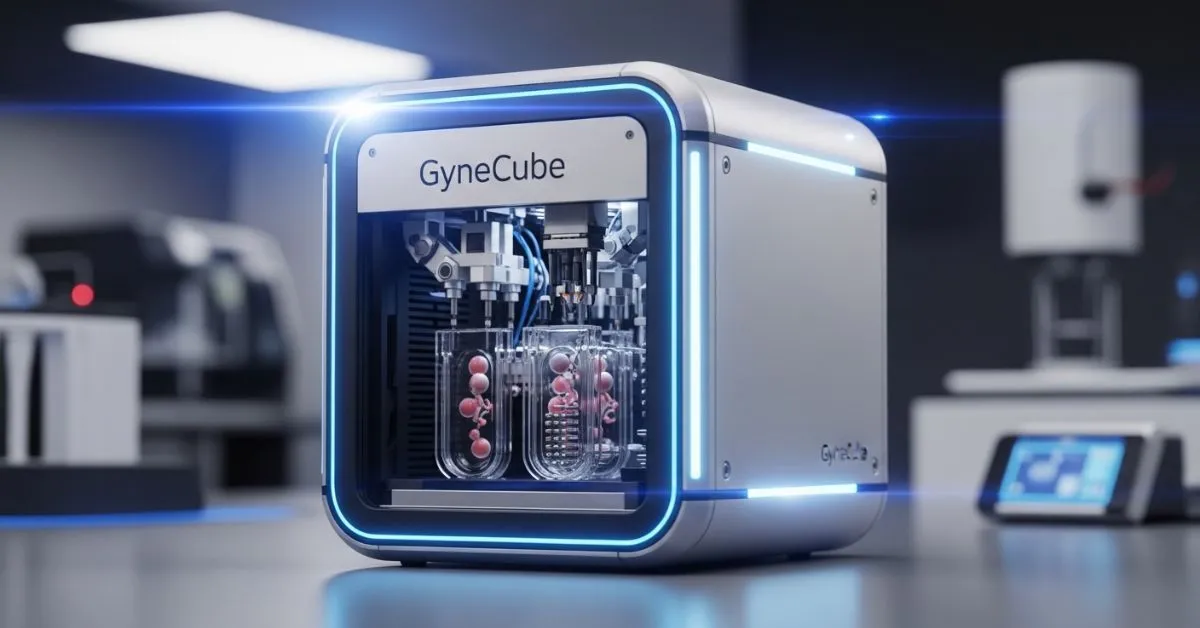
GyneCube is one of the most interesting new ideas. With this technology, an automatic IVF system is made to make the process of getting pregnant more consistent. GyneCube wants to cut down on mistakes made by people and improve workflow by using robotic accuracy and controlled lab conditions. A lot of experts see it as a step toward better IVF technology in the future.
We will talk about what GyneCube IVF technology is and how it works in this piece. You will learn about its features, how it helps patients, and its place in the history of fertility center technology. We will also talk about its future in reproductive medicine and compare it to standard IVF methods. You will have a good idea of how automation might change current fertility treatments by the end.
Understanding Infertility and Assisted Reproductive Technology
Rising Infertility Rates Worldwide
Around the world, infertility is becoming a bigger health problem. A lot of couples have trouble getting pregnant because of their lifestyle, their health, or their surroundings. Fertility can also be affected by old age, chemical issues, and problems with reproduction.
Infertility can make a pair feel bad emotionally and financially. To improve their chances of getting pregnant, a lot of people go to the doctor. These days, fertility centers offer a number of high-tech options.
What is Assisted Reproductive Technology (ART)?
When people use medical treatments to help them get pregnant, this is called assisted reproductive technology (ART). In these methods, eggs, sperm, or embryos are handled in a lab. ART is often used when spontaneous conception is hard to achieve.
IVF and ICSI are two of the most popular types of assisted reproductive technology (ART). Sperm is put on eggs outside of the body during IVF. In ICSI, a single sperm is put into an egg directly in order to fertilize it.
Millions of couples have been able to get pregnant with these methods. Fertility clinics keep using new technologies to make these treatments better. Now, robotics and automation are being used in reproductive health.
Limitations of Traditional IVF and ICSI
For traditional IVF and ICSI to work, embryologists need to be very skilled. A lot of the steps in the process have to be done by hand using sharp lab tools. This can sometimes lead to changes in how things are done.
Fertility clinics that are already very busy have to do more work because of manual processes. How well fertilization works may depend on how experienced the embryologist is. It is harder for different labs to be consistent because of this.
Keeping the lab environment stable is another problem. Conditions outside the body may affect the growth of an embryo. To make things more consistent and speed up the process, experts are looking into automating IVF labs to deal with these problems.
Understanding the Automated IVF System
Overview of the Robotic ICSI Device
The robotic ICSI device is an advanced tool for automating key fertility procedures. It is used in laboratories for IVF and sperm injection tasks. The system ensures procedures are performed consistently with minimal manual handling.
This fertility automation technology reduces dependency on human skill alone. Robotic tools carry out precise steps in the fertilization process. This supports clinics in achieving more predictable outcomes.
Automation also decreases the workload for embryologists. Labs can maintain high-quality procedures more efficiently. Many specialists see this as a core example of next-generation IVF technology.
Technology Behind the Reproductive Robotics System
Robotics and micromanipulation tools are used in the system. These make it possible to handle eggs and sperm precisely during development. Procedures like injecting sperm are done very accurately.
The machine works as a closed fertilization system, which keeps the eggs safe. This keeps fragile cells from getting sick. Embryo development is also helped by controlled settings.
IVF treatments can be done over and over again with the help of automation. There is a set order for each step that is followed. This makes the study more consistent and reliable.
Key Components of the Device
The system has multiple modules working together. One module handles microinjection for ICSI. Another controls the embryo culture environment.
Integrated imaging tools allow continuous monitoring of embryos. Embryologists can track growth without disturbing conditions. Data from the system helps in embryo evaluation.
A central software interface manages all functions. Lab staff can monitor and adjust procedures easily. This combination of hardware and software makes it an effective fertility lab automation technology.
GyneCube How the Automated IVF System Works
Preparation of Gametes
Get eggs and sperm together as a first step. The patient’s eggs are taken out, and sperm is made in the lab. The oocyte fertilization process in the robotic device works better when it is properly prepared.
Healthy choosing of sperm is very important. GyneCube makes it more likely that the egg will hatch. This step makes sure that the gadget works well.
Loading Samples
Care is taken when putting eggs and sperm into the system. The reproductive robots system works as a controlled, sterile space. This keeps samples safe and helps embryos grow in a healthy way.
The gas amounts and temperature stay stable. The closed method lowers the risk of contamination. This is a must for IVF treatments to go smoothly.
Automated Intracytoplasmic Sperm Injection
The robot instantly injects sperm into the eggs. The system uses precise robots instead of manual ICSI. This makes the differences between methods smaller.
Consistent results are guaranteed by robotic micromanipulation. Each step of fertilization is done in a set way. This makes robotic embryo microinjection more accurate.
Embryo Culture and Monitoring
The embryos are put in a controlled culture room after they have been fertilized. Care is taken to control the temperature, humidity, and gas. Imaging tools are used for continuous tracking.
Integrated embryo observation lets labs keep an eye on growth without disturbing the baby. This helps keep the lab settings stable. At important times, embryos are checked to make sure they are healthy.
Embryo Development and Selection
Grading methods are used to evaluate embryos. Patterns of cell division and growth are carefully watched. Only the best eggs are chosen to be transferred.
The system helps find embryos that have the most promise. Using stable methods helps blastocysts grow. Better IVF outcomes are supported by proper assessment.
Key Features of the Automated IVF System
Full Laboratory Automation
The system automates multiple steps in IVF procedures. Manual interventions are reduced. This improves consistency and workflow efficiency.
Embryologists can focus on monitoring. Automation supports reliable laboratory operations. It is a strong example of IVF laboratory automation.
Closed System Operation
The device works as a closed system IVF fertilization platform. GyneCube Eggs and embryos are protected in a controlled environment. Contamination risks are minimized.
Stable conditions improve embryo viability. Clinics can maintain high standards. This is a key benefit of fertility lab contamination control.
Robotic Precision
Robotic tools perform delicate tasks with high accuracy. Sperm injection and egg handling are consistent. This reduces human error and variability.
Each procedure follows the same programmed steps. Results are more predictable. Clinics can rely on robotic fertilization systems for high-quality outcomes.
Integrated Monitoring
The system includes imaging and data tracking. Embryologists can monitor embryos without disturbing them. Continuous observation supports better embryo assessment.
Data helps select the best embryos for transfer. Imaging ensures controlled development conditions. This demonstrates the strength of modern embryo monitoring systems.
User-Friendly Software
The software interface allows easy control. Embryologists can monitor procedures and adjust parameters. Workflow and documentation are managed efficiently.
Staff can track every step of fertilization. This simplifies complex processes. It makes the fertility automation technology practical for daily use.
Clinical Benefits of the Automated IVF System
Consistency in Procedures
Automation ensures every procedure follows the same steps. Variations due to human technique are reduced. Clinics achieve more predictable results.
Reliable workflows improve fertilization outcomes. Consistent handling supports embryo development. Patients benefit from standardized treatment quality.
Reduced Human Error
Manual lab work can lead to mistakes. Robotic tools reduce these errors. Precision handling ensures better embryo safety.
Embryologists supervise rather than perform every step. Automation improves reliability in fertility lab automation technology. Results are more consistent and reproducible.
Increased Efficiency
Automation streamlines workflow in busy clinics. Procedures take less time per cycle. Clinics can treat more patients without overloading staff.
Efficient workflow improves the IVF laboratory workflow. Labs can manage higher volumes while maintaining quality. Patients receive faster, more reliable treatments.
Potential Impact on IVF Success Rates
Consistent procedures support embryo quality. Stable laboratory conditions reduce risks. This may increase overall IVF success rate technology.
Robotic systems improve fertilization accuracy. Embryos develop under controlled conditions. Clinics may see higher pregnancy rates with automation.
Benefits for Fertility Clinics
Reduced Dependence on Highly Specialized Staff
Automation reduces the need for many highly trained embryologists. Clinics can maintain quality with fewer staff. This is an advantage for smaller fertility centers.
Embryologists focus on monitoring and decision-making. The system ensures consistent laboratory results. IVF laboratory automation becomes more practical.
Increased IVF Cycle Capacity
Robotic systems allow clinics to run more cycles efficiently. Automation reduces procedure time. Patient volume can increase without compromising results.
Higher throughput improves clinic productivity. Staff can manage multiple procedures simultaneously. This is a major advantage of fertility lab automation technology.
Competitive Advantage
Automated systems make clinics more attractive to patients. Advanced technology shows innovation in care. Clinics offering robotic IVF may stand out in the market.
Patients trust clinics using modern systems. Automation demonstrates commitment to quality and safety. Clinics gain a reputation for next-generation IVF technology.
Benefits for Patients
Safer Treatment
Robotic systems keep things under control. There are fewer chances of contamination. Patients can be sure that they are safer.
Eggs and embryos are kept safe during IVF with a closed system. Conditions that are stable help children grow up healthy. Patients really like how safe it is.
Consistent Results
Automation ensures procedures are performed the same way every time. Variability is reduced. Embryos develop under consistent conditions.
Reliable results improve embryo selection. Patients receive higher-quality embryos. This enhances the chances of pregnancy.
Greater Confidence in Technology
Patients like centers that use cutting-edge tools. Robotic and automatic systems are examples of new technology. Patients trust clinics that invest in new tools for treating infertility.
Handling embryos to high standards is made possible by automation. Patients are sure that their medicine will work. Having confidence makes the whole process better for the patient.
GyneCube vs Traditional IVF and ICSI
Manual vs Automated Systems
Manual IVF and ICSI rely heavily on human skill. Robotic systems perform key steps automatically. Procedures are more standardized with automation.
Automated systems reduce variability. Each step follows a consistent workflow. This ensures better reliability compared with manual methods.
Robotic Precision vs Human Micromanipulation
Manual sperm injection is delicate and prone to errors. Robotic systems provide consistent, accurate injections. Embryo handling is safer with automation.
Robotics reduce risks during microinjection. Procedures follow pre-programmed protocols. This supports high-quality robotic sperm injection systems.
Laboratory Workflow Differences
Every step of a manual IVF lab needs to be closely watched. Robotic systems save time and make work easier. Clinics are better able to handle more rounds.
Automation makes the work run better in the IVF lab. The staff’s work load is lessened. Procedures become easier to understand and follow.
Research and Clinical Evidence
Studies on Automated Fertilization
Automated reproduction technology makes things more consistent, according to research. In clinical trials, robotic and manual methods are put side by side. Data show that automating a process makes it less likely to vary.
Fertilization and Embryo Development Outcomes
Robotic systems maintain stable culture environments. Continuous monitoring improves embryo evaluation. Results show better blastocyst development and viability.
Real-World Application
Clinics using robotic IVF report improved workflow. Patients benefit from consistent and safe procedures. Automation demonstrates practical advantages in fertility lab automation technology.
Challenges and Limitations
High Equipment Costs
Robotic IVF systems require large initial investments. Smaller clinics may struggle to afford them. Long-term efficiency gains may justify the cost.
Training and Technology Integration
Staff must learn to operate the device safely. Proper integration into workflows is necessary. Training ensures maximum benefits from automation.
Adoption Barriers
Some clinics prefer traditional manual IVF. Maintenance and support concerns may limit adoption. Overcoming resistance is key to wider use in reproductive medicine technology.
Future of Automated IVF
Artificial Intelligence in Embryology
AI can analyze embryo development. It supports better decision-making. Combining AI with robotic systems may improve IVF success.
Fully Automated IVF Labs
Future labs may be fully robotic. Fertilization, monitoring, and assessment could be automated. This reduces human dependency in automation in IVF labs.
Expanding Access
Automation may make treatments more accessible. Clinics with fewer embryologists can provide IVF safely. More patients can benefit from advanced assisted conception technology.
Who Should Consider Using the System
Fertility Clinics Expanding Services
Automation helps clinics handle more IVF cycles. Workflow efficiency is improved. Consistent results are maintained even with fewer staff.
Hospitals with Infertility Departments
Hospitals can standardize procedures using robotic systems. Staff dependency is reduced. Patients receive reliable and safe treatment.
Research Centers
Robotic IVF supports reproducible research. Data from automated systems improves IVF protocols. It advances innovation in reproductive medicine technology.
Final Thoughts
The way IVF processes are done is changing because of automation in fertility treatments. GyneCube Robotic IVF methods are more accurate, less likely to make mistakes, and keep results consistent across labs. They make the environment safer for eggs and embryos, which improves the level of treatment as a whole. Clinics can handle more rounds without putting too much stress on their staff when they are more efficient. Patients have more faith in new technology and results that are easier to predict. Overall, robotic and automated IVF systems are the way of the future for assisted reproductive technology. They will make fertility methods safer, more effective, and easier to get.
FAQs
What is the Robotic ICSI Device?
In fertility labs, GyneCube is an automated IVF method that men can use. It injects sperm and keeps an eye on cells. The procedures are more reliable and safer than IVF done by hand.
How Does It Work?
Robotic tools are used to exactly insert sperm and handle embryos. Imaging tools keep track of progress all the time. The closed system works with technology that automates reproduction.
Is It Better Than Traditional IVF?
Automation cuts down on mistakes made by people. The accuracy of robots makes things better. Procedures are more reliable than IVF ways that are done by hand.
Can IVF Be Fully Automated?
Some parts of IVF are already done automatically. Robots can help with fertilization and keeping an eye on the baby. In the future, it may be normal for IVF labs to be fully automated.
How Does Automation Improve Success Rates?
Consistent methods make embryos better. Healthy growth can happen in stable lab settings. Automation could make IVF technology more successful generally.